
Analyzing Casino Login Methods

Entering an online casino account in Poland has developed far beyond a simple username and password. Platforms like Pinco Casino now present a range of authentication mechanisms intended to reconcile user convenience with stringent security requirements. The login page acts as the critical gateway where identity verification, data encryption, and regulatory compliance converge. For Polish players, comprehending these methods is not just about ease of entry; it is about securing personal information and funds in a market controlled by the Ministry of Finance and the amended Gambling Act. Each login technique carries distinct technical implications, from session token management to multi-layered credential checks, and a clear comprehension of these options allows users to make informed choices about their digital safety.
Two-Factor Authentication and Multi-Factor Authentication
Dual-factor authentication adds a essential second layer after the password, necessitating a knowledge factor and a possession factor. At Pinco Casino, turning on 2FA signifies that should a threat actor obtains the correct password, they will not be able to log in in the absence of the additional factor. This significantly decreases the efficacy of phishing and password theft. The most typical applications utilize time-based one-time passwords produced by an 2FA app or delivered via SMS. Multi-factor authentication can expand this to include biometric factors. As for Polish players who maintain a balance or hold payment methods attached, turning on 2FA represents one of the most effective steps to block unapproved transactions and account takeovers, transforming the authentication process into a secure security gate.
SMS and Authenticator App Codes
SMS 2FA delivers a numerical code to the user’s associated mobile phone number, which is required on the Pinco Casino login page https://pinco.edu.pl/login/. While superior to no second factor, SMS codes are exposed to SIM swapping attacks and interception. A safer alternative is a specific authenticator application such as Google Authenticator or Authy, which generates codes locally on the device using a shared secret and the current time. These codes refresh every thirty seconds and do not depend on the mobile network. Polish users should store backup codes in a safe place when activating app-based 2FA, as misplacing the device without a recovery method can lock them out of the account. The casino supplies these one-time recovery keys during the initial setup wizard.
Biometric Identity Check on Mobile Devices
Modern smartphones popular in Poland offer fingerprint scanners and facial recognition systems that can serve as a biometric factor for casino logins. Pinco Casino’s mobile platform can integrate with the device’s native biometric APIs, allowing a player to authenticate with a touch or a glance after the initial password entry. The biometric data itself never leaves the device; the phone simply confirms a match to the stored template and sends a signed assertion to the app. This method provides high convenience and strong security, as biometrics are extremely difficult to replicate. However, it is tied to the specific hardware, and a factory reset will require re-enrollment. Biometric login works best as part of a multi-factor strategy rather than a standalone replacement for a password.
Account Verification and KYC Compliance in Poland
Before any sign-in method grants full access to withdrawals and unrestricted play, Polish law mandates a KYC process. Pinco Casino must verify the identity, age, and address of every player to comply with anti-money laundering regulations and the Polish Gambling Act. This verification is tightly coupled with the login system; an account may be opened and accessed, but its functionality remains limited until the KYC checks are finished. The process typically involves uploading a scan of a state-issued ID, a proof of address document, and at times a selfie for liveness detection. Once verified, the account status is permanently tied to the login credentials, and any future alteration in personal details initiates a re-verification workflow.
Document Submission and Identity Verification
During the onboarding procedure at Pinco Casino, Polish players are asked to provide a clear image of their dowód osobisty or passport. The platform utilizes automated optical character recognition to capture the name, date of birth, and document number, cross-referencing this data against sanctions lists and PEP databases. Manual review by a compliance team occurs if the automated check identifies any discrepancy. The uploaded documents are encrypted at rest and transmitted over TLS, guaranteeing that sensitive personal data stays protected. Players should make sure the images are well-lit and all corners of the document are clear to avoid delays. A successful identity check links permanently the verified identity to the login account, stopping duplicate or fraudulent registrations.
Address Confirmation and Payment Method Verification
To completely activate a Pinco Casino account, proof of a Polish residential address is necessary. Valid documents include a latest utility bill, bank statement, or official mail showing the player’s name and address, dated within the last three months. This step confirms the player’s jurisdiction and tax residency. Furthermore, when a payment method such as a credit card or e-wallet is linked, the casino may require a photo of the card with certain digits obscured or a screenshot of the e-wallet profile. This verification connects the financial instrument to the verified identity, blocking money laundering. Only after these checks are cleared does the login provide full transactional privileges, a process that typically completes within twenty-four hours.
Passwordless Způsoby autentizace
Trend k passwordless authentication nabírá traction, a Pinco Casino nabízí methods that odstraňují pevné password entirely. These techniques rely on possession-based factors či biometrics alone, reducing friction a zároveň odstraňující nebezpečí of password reuse. Magické odkazy i one-time passcodes zaslané na ověřenému email či phone number umožňují uživateli to click a link nebo enter kód k získání instant access. Hardwarové bezpečnostní klíče nabízejí another path, using physical devices jež komunikují via USB or NFC. Pro polské hráče znechuceným kvůli zapomenutým heslům, passwordless login provides bezproblémový experience without compromising security. Podložní cryptography zajišťuje že každé přihlášení je unikátně autentizováno a nelze jej zopakovat, making it budoucnostní solution.
Magic Links and Jednorázové kódy
Kouzelný odkaz je unikátní, time-limited URL odeslanou na uživatelovy registered email address. Kliknutím na něj autentizuje sezení directly without requiring přístupové heslo. Pinco Casino vytváří tyto linky with kryptografickým nonce and sets dobu platnosti pár minut. Podobně, jednorázové heslo delivered prostřednictvím email or SMS can be typed do přihlašovací formulář. Obě metody verify vlastnictví nad komunikačním kanálem. Polští uživatelé should be aware aby the security tohoto přístupu shifts k účtu e-mailu či telefonu; jestliže je tato e-mailová schránka compromised, útočník can request kouzelný link a získat přístup. Z tohoto důvodu, securing přidruženého e-mailu pomocí a strong password and 2FA je https://www.bbc.com/news/articles/cvgmpp3x5x5o i nadále klíčové even when using passwordless casino login.
Hardware Security Keys
Fyzické bezpečnostní klíče vyhovující normám FIDO2 and U2F standards represent the pinnacle odolné autentizace proti phishingu. A Polish player can register a physical key, jako například klíč YubiKey, with svého Pinco Casino účtu. During login, platforma challenges the key, který vyžaduje fyzický dotek pro vygenerování kryptografický podpis. Tento klíč stores privátní klíč jenž nikdy neopustí přístroj, and each response je svázána s konkrétní doménou, zabraňující man-in-the-middle attacks. Even a sophisticated phishing site imitující Pinco Casino nemůže oklamat tento klíč reagovat. I když tato metoda si žádá zakoupení zařízení and carrying it, bezpečnostní přínosy jsou podstatné pro cenné účty. Rozhraní pro přihlášení kasina umožňuje několik klíčů jako záložní možnosti, aby byl přístup i nadále možný v případě ztráty jednoho klíče.
Security Guidelines for Casino Logins
Beyond the various login methods offered by Pinco Casino, Polish players should implement a set of security practices that safeguard their accounts from common threats. The human factor stays the weakest link in any authentication chain, and social engineering attacks focus on users who may not recognize the warning signs. Using unique passwords, enabling all available 2FA options, and monitoring account activity regularly constitute the foundation of a secure gaming experience. Players should also be conscious of the devices and networks they use to log in, avoiding public Wi-Fi without a VPN. A proactive stance on security makes sure that the technical safeguards built into the casino’s login system operate as intended without being undermined by careless behavior.
Detecting Phishing Attacks
Phishing campaigns targeting Polish casino players often involve emails or SMS messages that mimic official Pinco Casino communications, urging recipients to click a link and log in. These fraudulent pages are designed to capture credentials and 2FA codes in real time. Legitimate casino messages will never ask for a password or a one-time code via email. Players should always inspect the URL in the browser address bar, ensuring it begins with the correct domain and displays a valid TLS certificate. Bookmarking the official login page and using it exclusively eliminates the risk of following a malicious link. Reporting suspicious messages to the casino’s security team aids protect the wider community and allows the platform to take down phishing infrastructure quickly.
Managing Session Timeouts and Device Remembering
Pinco Casino employs session management features that automatically log out inactive users after a period of idleness, decreasing the window of opportunity for unauthorized access on shared or unattended devices. The “remember this device” option places a persistent cookie that skips 2FA on subsequent logins from the same browser, trading some security for convenience. Polish players should only turn on this feature on personal, password-protected devices. Clearing browser cookies periodically invalidates these remembered tokens and forces a full re-authentication. If a device is lost or stolen, the account dashboard provides an option to remotely terminate all active sessions, instantly logging out any device that may have been compromised and safeguarding the account balance.
Conventional Email and Password Authentication
The email and password combination continues to be the most common login method among Polish casino platforms, like Pinco Casino. This approach is based on a registered email address serving as the unique identifier, paired with a secret passphrase accessible only by the user. The server stores a salted hash of the password, not the plain text, and checks the submitted credential versus this hash during each login attempt. While well-known, this method’s security depends heavily on the strength of the chosen password and the user’s care in refraining from reusing credentials between multiple services. Polish players must understand that brute-force attacks and credential stuffing are constant threats, making it vital to understand how to strengthen this basic authentication layer.
Establishing a Strong Password
A robust password for a Pinco Casino account ought to exceed twelve characters and mix uppercase letters, lowercase letters, numbers, and special symbols in an random sequence. Avoid dictionary words, personal dates, or easily guessed patterns such as “Warszawa123!” which attackers can compromise within seconds using hybrid dictionary attacks. Password managers create and store complex strings, eliminating the cognitive burden from the user while ensuring each service has a distinct credential. The login system at Pinco Casino imposes minimum complexity requirements and may reject passwords that appear in known breach databases. Polish users who devise a truly random passphrase significantly lower the risk of unauthorized access, as the time required to brute-force a long, high-entropy password extends into centuries with current computing power.
The Purpose of Email Verification
Email verification serves as the first line of defense while setting up a profile at Pinco Casino. Once you submit the signup form, the system sends a time-limited, one-time-use verification link to the provided email address. This process verifies that the individual manages the mailbox and establishes a dependable contact route for upcoming security alerts. In Poland, where email providers like Onet, WP, and Gmail are common, users should verify their spam filters do not filter out these essential emails. The verification token is digitally secured and expires quickly, blocking replay attempts. Upon verification, the email address acts as the cornerstone for password resets and key account updates, making it a fundamental part of the whole authentication system.
The Login Process at Pinco Casino
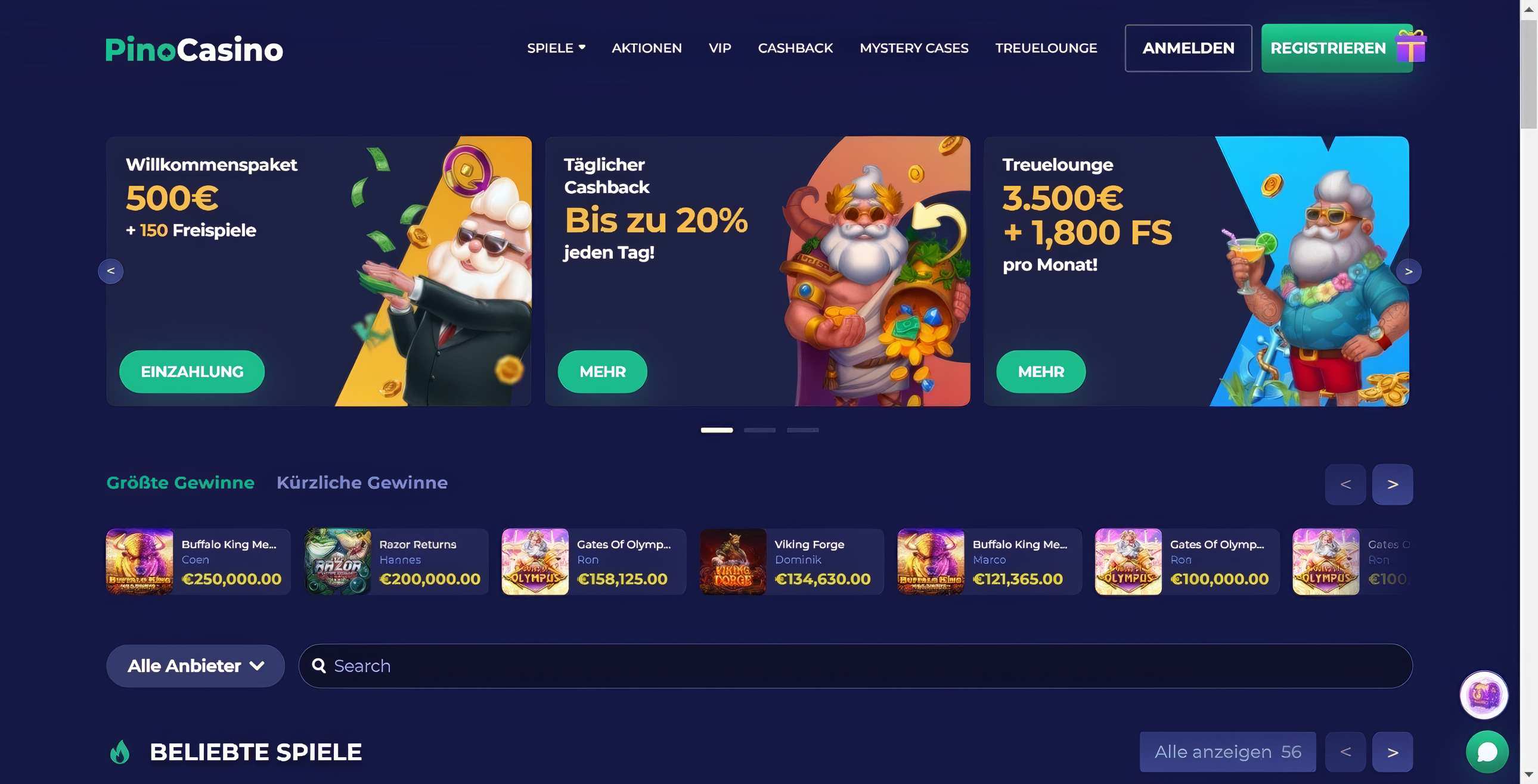
Pinco Casino has crafted its login interface to guide Polish users through a seamless and secure login process. From the first registration form to the dashboard after logging in, every step is designed with clarity and compliance as a priority. The interface adjusts to the user’s device, delivering a responsive layout that performs equally on computers and mobile devices. Error messages are specific and helpful, indicating whether a password is incorrect or an account is locked due to multiple failed attempts, without exposing whether the email address is present in the database. This focus on detail lowers frustration while upholding a protective stance against enumeration threats. The entire flow is localized in Polish, guaranteeing wiadomosci.onet.pl that Polish speakers face no language obstacles during essential security steps.
Step-by-Step Registration and First Login
A new player at Pinco Casino begins by clicking the registration button, which brings up a form requiring an email address, a password, and personal details such as full name and date of birth. After accepting the terms and conditions and confirming they are over eighteen, the system transmits the email verification link. Clicking it finishes the initial setup, and the player may sign in immediately with the chosen credentials. The first login prompts a prompt to set up two-factor authentication, although this can be deferred. The interface then leads the user to the KYC upload section, where identity documents can be submitted. This sequential flow guarantees that no step is overlooked, and the account status is clearly presented on the dashboard at all times.
Recovery Choices and User Assistance
If a Polish player misplaces their password or is denied access to their 2FA device, Pinco Casino offers a structured recovery path. The “forgot password” link starts an email with a reset token that is active for a short period. For lost 2FA devices, the player is required to contact customer support and undergo a manual identity verification process, which might involve answering security questions and showing a photo holding their ID. The support team, offered in Polish, assesses each case individually to block social engineering attacks. Once identity is verified, the 2FA is reset, and the player can register a new device. This equilibrium between self-service recovery and human intervention ensures that legitimate users recover access without creating a loophole for attackers.
Social Platforms and Unified Login Implementations
Single Sign-On allows Polish players to access Pinco Casino using current credentials from trusted third-party providers such as Google or Facebook. This method transfers authentication to an external identity provider, which provides a token validating the user’s identity without revealing the actual password with the casino platform. The technical backbone is commonly OAuth 2.0 or OpenID Connect, protocols that offer limited access scopes. For the user, this removes the need to remember another password and speeds up the login process significantly. However, it also links the casino account’s security to the integrity of the social media account. If the Google or Facebook profile is compromised, the attacker could possibly gain entry to the linked Pinco Casino account, making the protection of that primary account critically important.
Associating Accounts Safeguarded
When a Polish player opts to connect a social account to Pinco Casino, the platform triggers a redirect to the provider’s authorization server. The user authenticates there and authorizes for Pinco Casino to retrieve basic profile information. The casino does not see the social media password; it gets an access token and a refresh token. To ensure security, players should examine the permissions requested and ensure they are at ease with the data being shared. It is also advisable to turn on two-factor authentication on the social media account itself, establishing a layered defense. In the event of a token compromise, the damage is contained because tokens have short lifespans and can be invalidated from the provider’s security dashboard without affecting other services.
Data Privacy Considerations
Employing social login raises certain privacy concerns under the European General Data Protection Regulation, which applies fully in Poland. Pinco Casino must transparently disclose what personal data it receives from the identity provider and how that data is managed. Usually, only the email address, name, and profile picture are transferred, but users should consult the privacy policy. The casino does not obtain access to friend lists or private messages. Polish data protection law, administered by the Urząd Ochrony Danych Osobowych, grants players the right to demand deletion of this data. Opting for social login can reduce the amount of personal information kept directly on the casino’s servers, as the authentication burden moves to a third party with dedicated security teams.